United States of America Presidents
during
The American Vietnam War
during
The American Vietnam War
Page 1
|
|
|
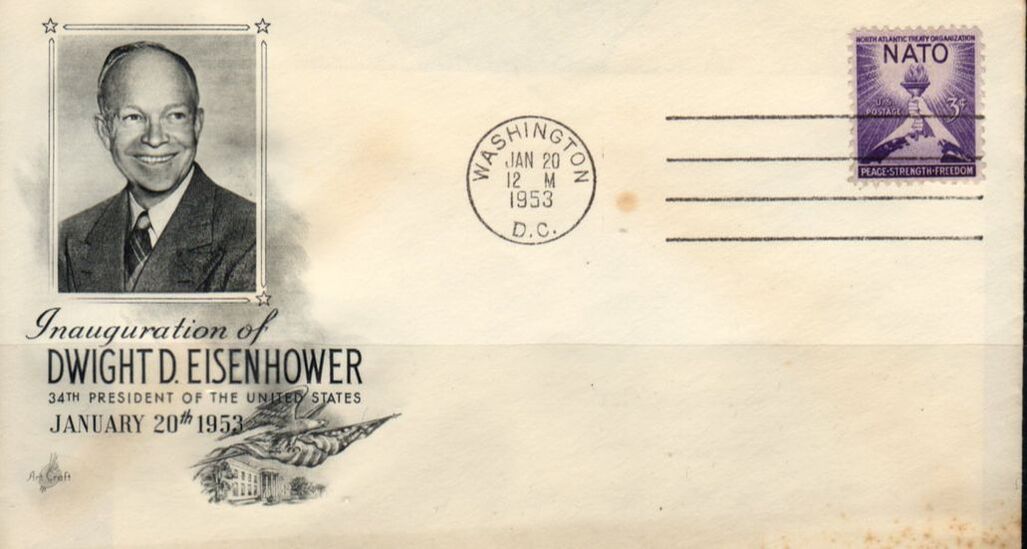
Jan. 20, 1953 - Jan. 20, 1957
|
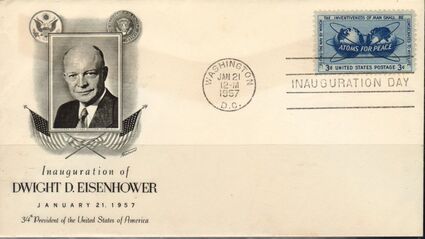
Jan. 21, 1957 - Jan. 19, 1961
|
|
|
|
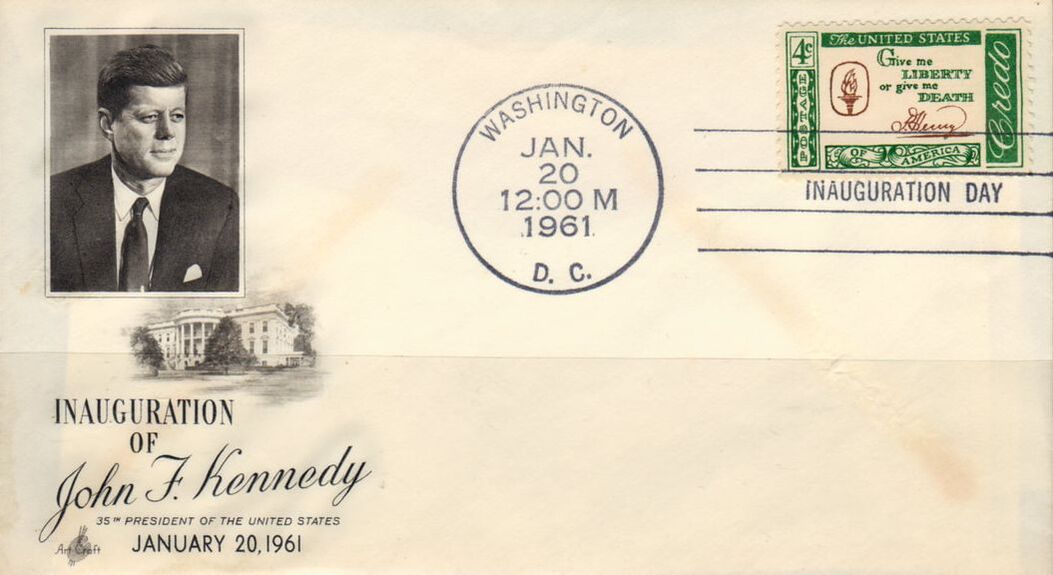
Jan. 20, 1961 - Nov. 22, 1962
|
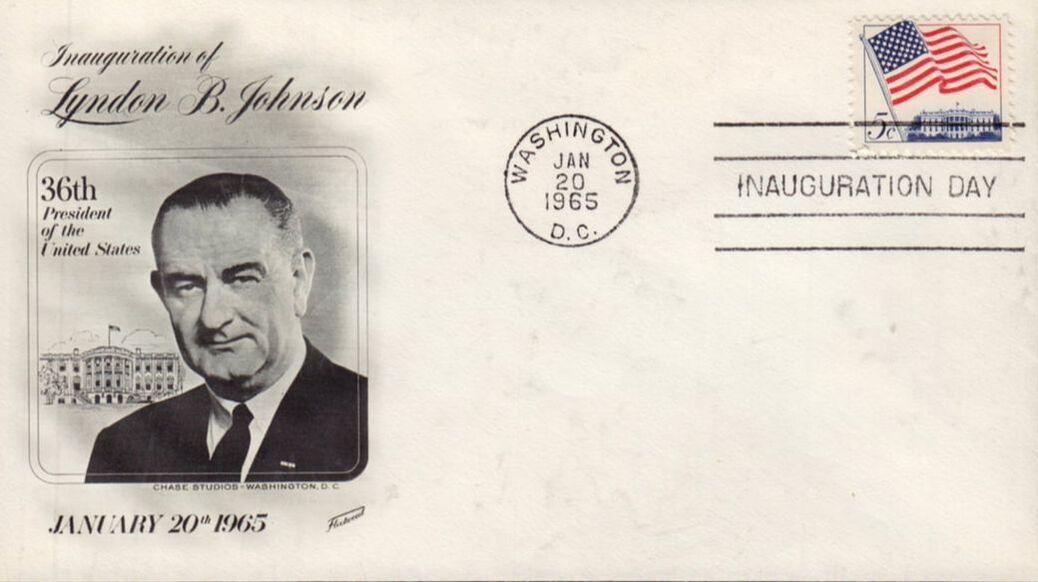
Nov. 23, 1962 - Jan. 19, 1969
|
|
|
|
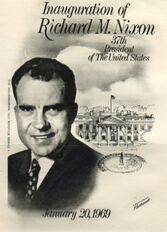
Jan. 20, 1969 - Jan 19, 1973
|
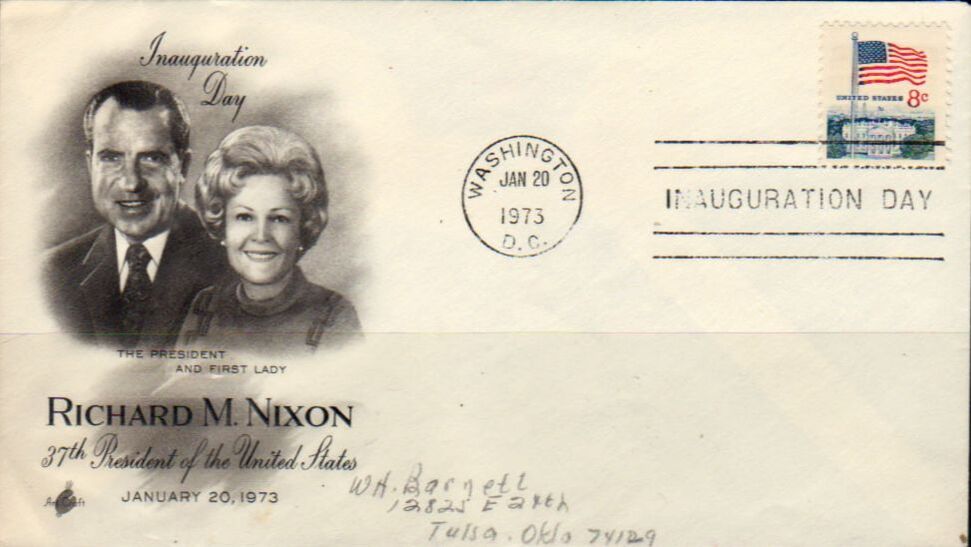
Jan 20, 1973 - Aug. 7, 1974
|
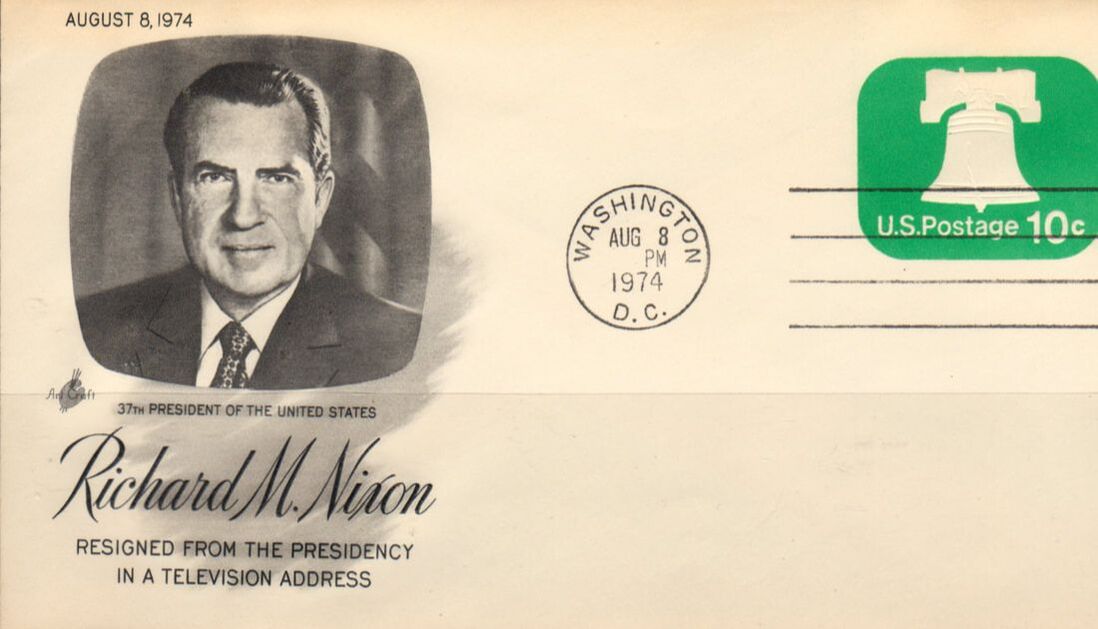
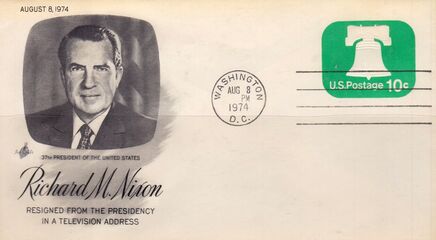
August 8, 1974
|
|
American servicemen killed during the Vietnam War
from each Presidential Administration
President Eisenhower 1953 - 1961. Zero killed, President Kennedy 1961 -1962, 67 killed,
President Johnson 1962 -1969, 33,629 killed, President Nixon 1969 - 1974, 18,984 killed,
President Ford 1974 - 1977, 94 killed
from each Presidential Administration
President Eisenhower 1953 - 1961. Zero killed, President Kennedy 1961 -1962, 67 killed,
President Johnson 1962 -1969, 33,629 killed, President Nixon 1969 - 1974, 18,984 killed,
President Ford 1974 - 1977, 94 killed
Page 1
|
|
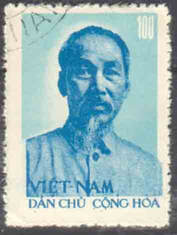
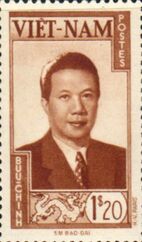
Ho Chi Minh Emperor Boa-Dai
After the establishment of the Democratic Republic of Vietnam (DRV) under the leadership of Ho Chi Minh. Bảo Đại briefly returned to Vietnam and abdicated his throne in favor of the DRV, which marked the end of the Nguyen dynasty's rule in Vietnam. Bao Dai had been seen as a symbol of unity for the Vietnamese people and was generally respected for his role as the nominal head of state. South Vietnam citizens no longer had a Buddhist respected head of state.
Page 2
|
|
|
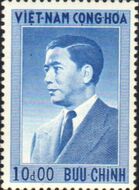
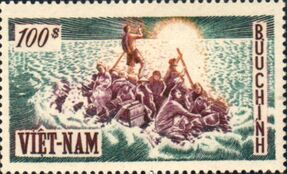
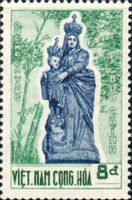
President Diem Passage to Freedom (Propaganda) Archbishop Ngo Dinh Thuc
|
|
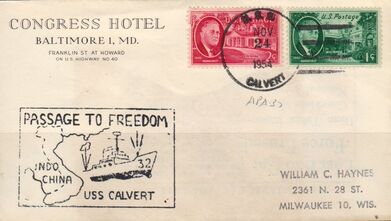
President Eisenhower Passage to Freedom (Actual)
Ngo Dinh Diem, the President of South Vietnam, had a brother named Ngo Dinh Thuc, who was an Archbishop in the Catholic Church. Ngo Dinh Thuc convinced President Diem that moving North Vietnamese Catholics to South Vietnam would increase President Diem's political power. President Diem, in turn, convinced President Eisenhower that moving the Catholics would weaken the communists. The "Passage To Freedom," approved by President Eisenhower, was the first act in which the United States became involved in North Vietnam politics.
Page 2
|
|
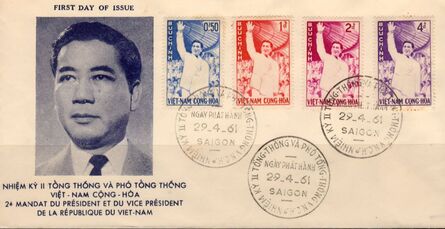
President John F. Kennedy's relationship with President Ngo Dinh Diem of South Vietnam was complex and at times frustrated with Diem's inability to address South Vietnam's political and military problems effectively.
President John F. Kennedy of the United States was assassinated on November 22, 1963, just 20 days after the assassination of President Diem.
President John F. Kennedy of the United States was assassinated on November 22, 1963, just 20 days after the assassination of President Diem.
Press the small arrow on the above sound bar
Page 2
|
|
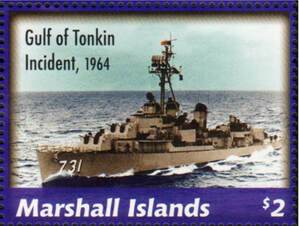
USS Maddox President Johnson
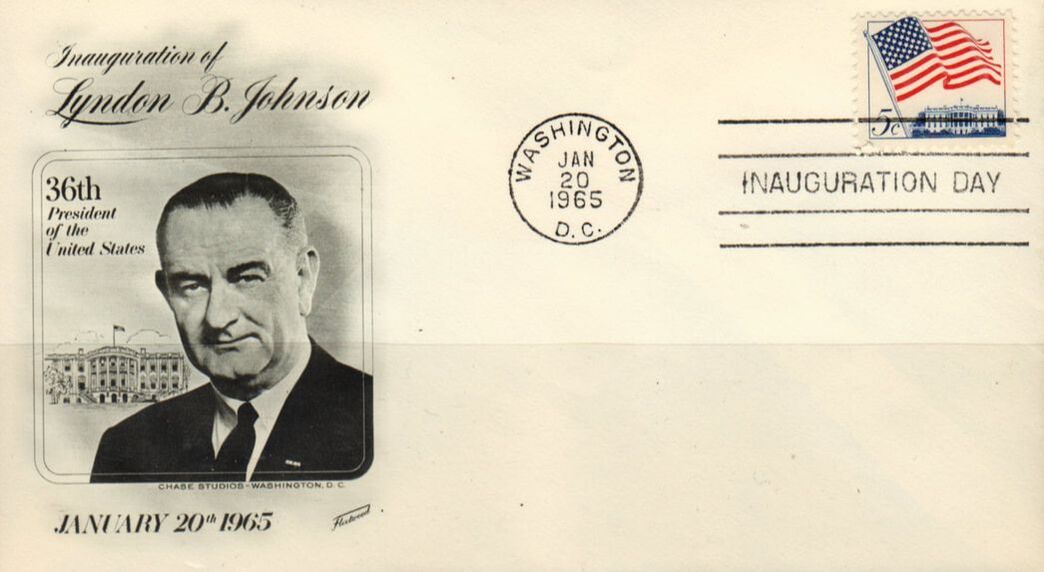
Up until this point, American involvement in Vietnam had been mostly in the background. However, in the early hours of July 31, 1964, North Vietnam patrol boats shelled two islands in the Gulf of Tonkin. Following this, the United States Maddox was sent to the area and while sailing on August 2, it confronted three Soviet-made, North Vietnamese torpedo boats that had emerged to chase it away. The Maddox fired the first shots, which the United States government stated were intended as warnings. However, the three boats continued to approach and opened fire with machine guns and torpedoes. With the assistance of F-8 Crusader jets dispatched from a nearby aircraft carrier, the Maddox significantly damaged at least one of the North Vietnamese boats, while escaping entirely unharmed except for one bullet lodged in its superstructure.
President Lyndon Johnson requested permission from the United States Congress to increase the United States military presence in Indochina. On August 7, 1964, Congress passed the Gulf of Tonkin Resolution, authorizing President Johnson to take any measures he believed were necessary to retaliate and, to promote the maintenance of international peace and security in southeast Asia. This resolution became the legal basis for the Johnson and Nixon Administrations prosecution of the Vietnam War.
President Lyndon Johnson requested permission from the United States Congress to increase the United States military presence in Indochina. On August 7, 1964, Congress passed the Gulf of Tonkin Resolution, authorizing President Johnson to take any measures he believed were necessary to retaliate and, to promote the maintenance of international peace and security in southeast Asia. This resolution became the legal basis for the Johnson and Nixon Administrations prosecution of the Vietnam War.
Page
|
|
President Thieu Agrarian Reform Law - "Land to the Tiller"
|
|
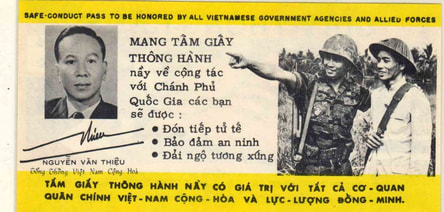
Safe Conduct Pass
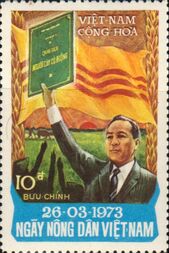
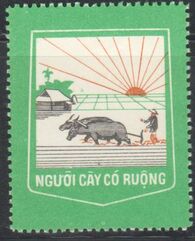
South Vietnam embarked on the "Land to the Tiller" initiative, which received considerable support from the United States. This program proved to be remarkably successful compared to its predecessors, and the majority of its funding was generously provided by the United States.
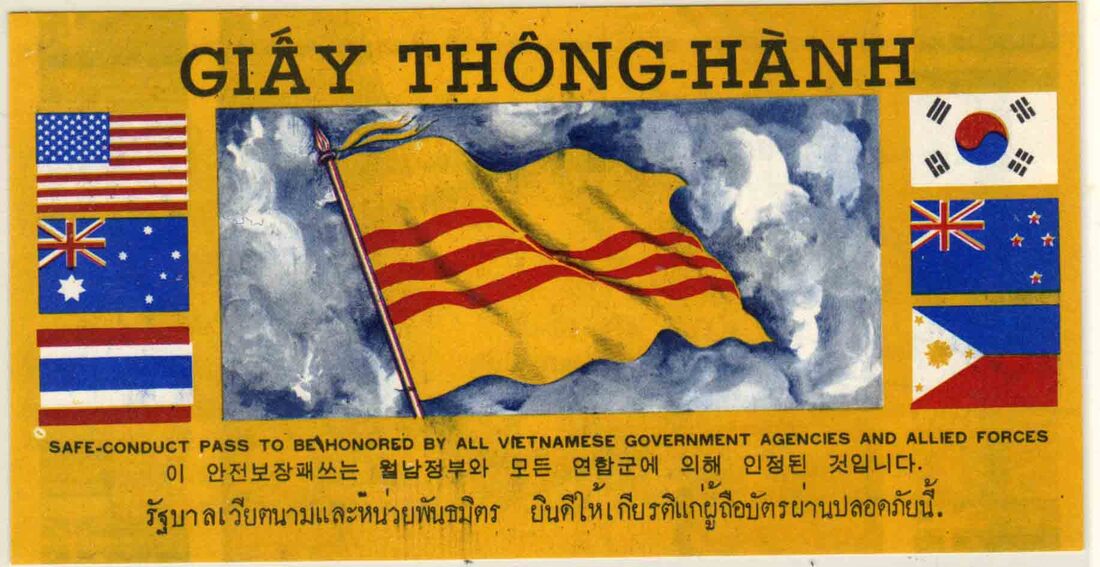
South Vietnam safe conduct pass was a document issued by the Government of the Republic of Vietnam to individuals who wanted to surrender or leave the communist-controlled areas and seek refuge or protection in the areas controlled by the South Vietnamese government and its allies.
South Vietnam safe conduct pass was a document issued by the Government of the Republic of Vietnam to individuals who wanted to surrender or leave the communist-controlled areas and seek refuge or protection in the areas controlled by the South Vietnamese government and its allies.
Page 2

|
|
|
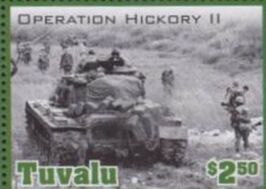
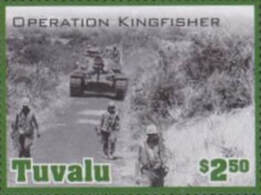
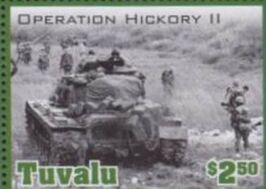
Operation Hickory Operation Kingfisher Operation Kentucky
The Battle of Con Thien was a significant military engagement. Battle Started February 27 1967 with Battle Ending February 28, 1969. Con Thien was a remote outpost that held strategic importance due to its proximity to the DMZ. The North Vietnamese Army sought to infiltrate the area to launch attacks on South Vietnam, and the United States Marine Corps established Con Thien as a forward operating base to counter these threats.
The battle was characterized by intense artillery duels and heavy casualties on both sides. The Marines were supported by significant artillery and air support, but the determined NVA forces continued their attacks relentlessly. The area was bombarded with artillery and airstrikes, leading to significant damage to the landscape and making the battle one of the deadliest and bloodiest confrontations during the Vietnam War.
The battle was characterized by intense artillery duels and heavy casualties on both sides. The Marines were supported by significant artillery and air support, but the determined NVA forces continued their attacks relentlessly. The area was bombarded with artillery and airstrikes, leading to significant damage to the landscape and making the battle one of the deadliest and bloodiest confrontations during the Vietnam War.
- US servicemen killed in action: Approximately 1,250 personnel
- US servicemen wounded in action: Approximately 4,600 personnel
Page 3

|
|
|
|
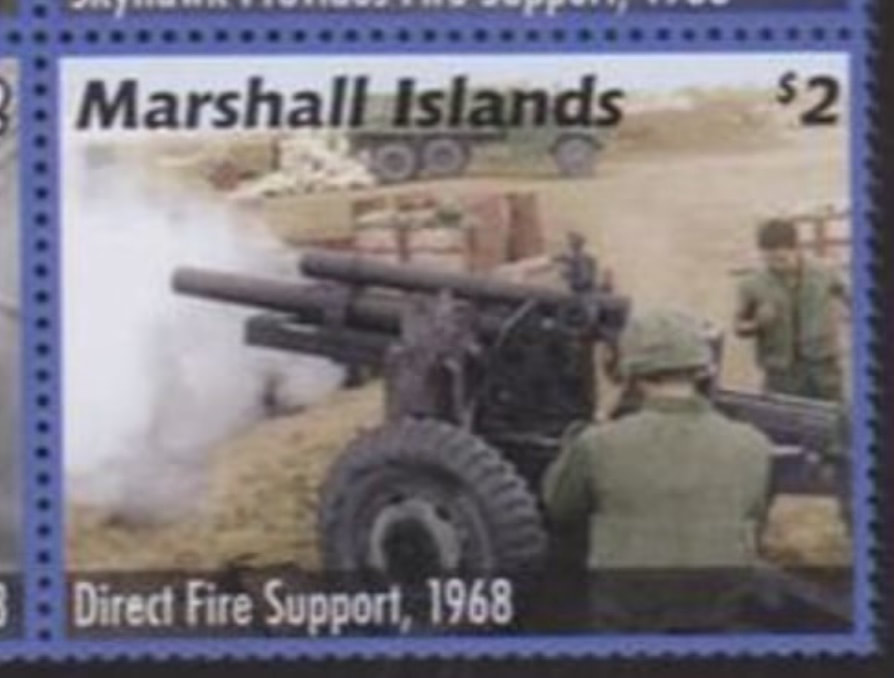
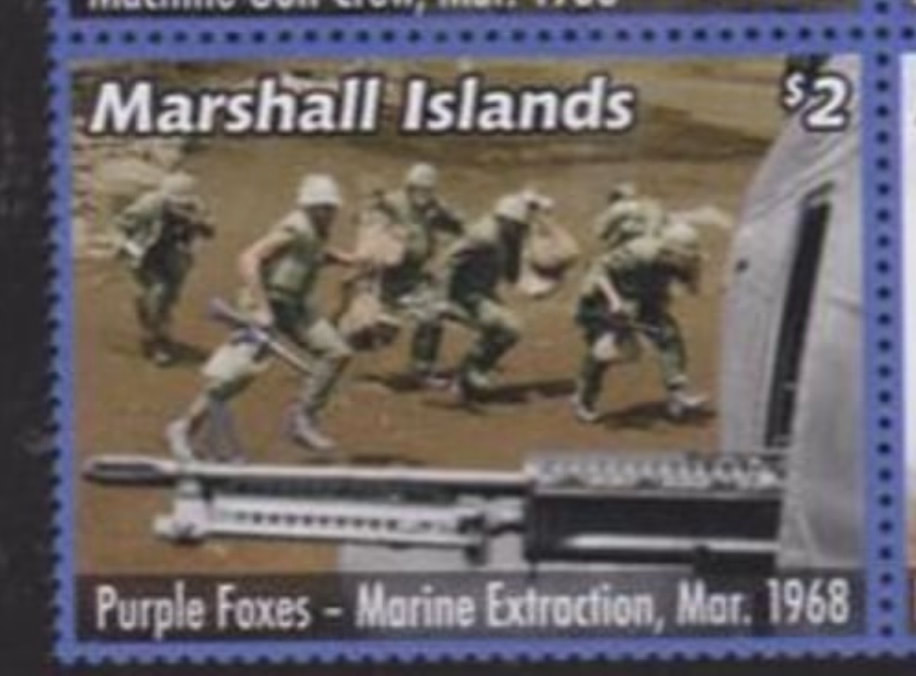
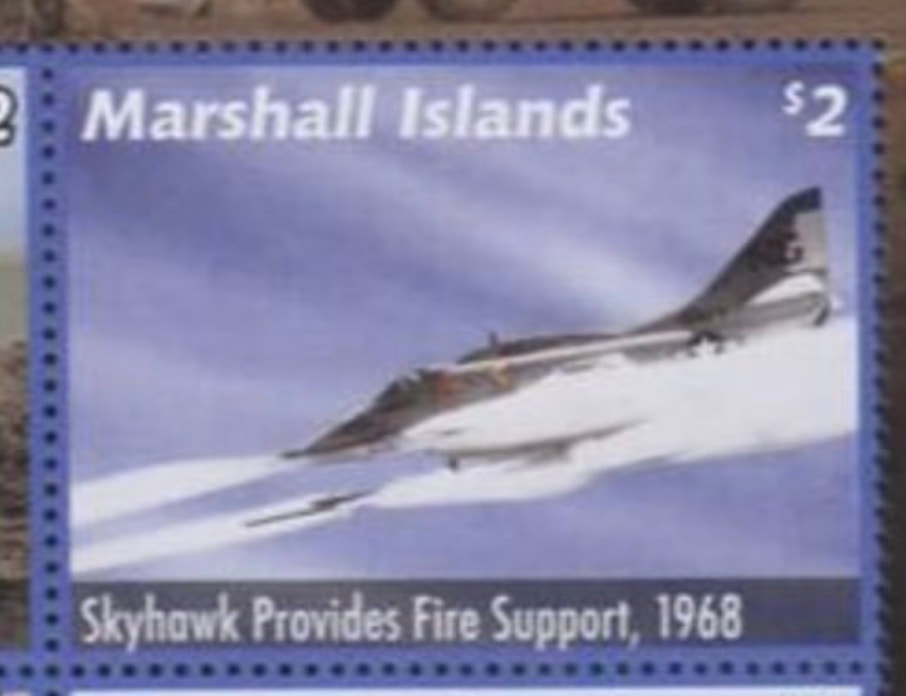
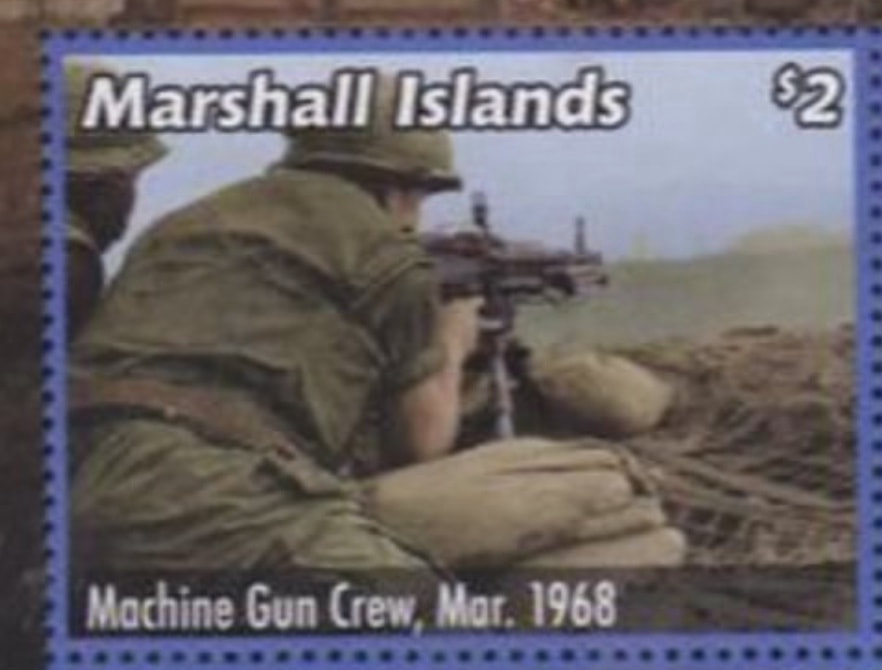
The United States military presence at Khe Sanh began in 1962, when Army Special Forces built a small camp near the village, located some 14 miles south of the demilitarized zone e between North and South Vietnam and 6 miles from the Laotian border on Route 9, the principal road from South Vietnam into Laos.
U.S. Marines built a garrison adjacent to the Army camp in 1966. In the fall of 1967, the People’s Army of North Vietnam began to build up its strength in the region, and U.S. officials began to suspect that Khe Sanh would be the target of an attack. The Battle for Khe Sanh would begin January 21, ending July 9, 1968.
It's estimated that there were around 205 U.S. troops killed in action and approximately 1,600 wounded during the course of the battle. Despite the losses the outcome of the Battle of Khe Sanh was a strategic victory for the United States military.
U.S. Marines built a garrison adjacent to the Army camp in 1966. In the fall of 1967, the People’s Army of North Vietnam began to build up its strength in the region, and U.S. officials began to suspect that Khe Sanh would be the target of an attack. The Battle for Khe Sanh would begin January 21, ending July 9, 1968.
It's estimated that there were around 205 U.S. troops killed in action and approximately 1,600 wounded during the course of the battle. Despite the losses the outcome of the Battle of Khe Sanh was a strategic victory for the United States military.
Page 4
|
|
|
|
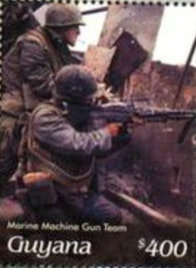
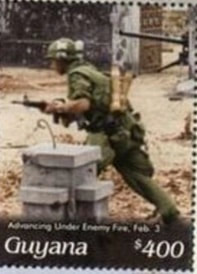
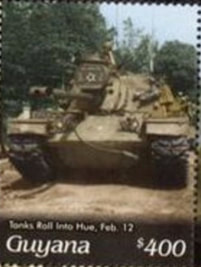
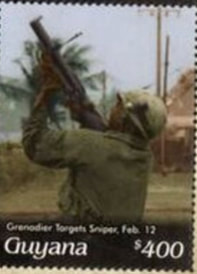
The Battle of Hue, begin January 31 ending March 2, 1968 also known as the Siege of Hue, was one of the most significant and intense battles of the Vietnam War. It took place during the Tet Offensive, a coordinated series of surprise attacks launched by the Viet Cong and North Vietnamese forces against South Vietnam and the United States.
The Battle of Hue represented a turning point in the Vietnam War, as it exposed the vulnerability of even heavily fortified urban areas and shook the confidence of the American public in the government's claims of progress in the war
The casualty figures for U.S. servicemen during the Battle of Huế were substantial. It's estimated that there were approximately 216 U.S. troops killed in action, and over 1,300 were wounded.
The Battle of Hue represented a turning point in the Vietnam War, as it exposed the vulnerability of even heavily fortified urban areas and shook the confidence of the American public in the government's claims of progress in the war
The casualty figures for U.S. servicemen during the Battle of Huế were substantial. It's estimated that there were approximately 216 U.S. troops killed in action, and over 1,300 were wounded.
Page 5
Page 6
|
|
|
|
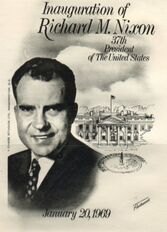
It is widely believed that Richard Nixon attempted to extend the Vietnam War during his 1968 presidential campaign as a strategy to secure the presidency. However, after assuming office, he focused on establishing a stable situation in the region that would enable the South Vietnamese government to assume control.
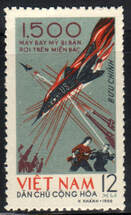
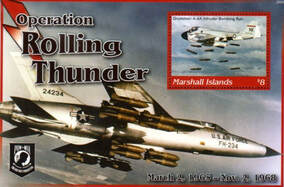
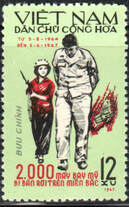
Operation Rolling Thunder was a sustained aerial bombardment campaign conducted by the United States against North Vietnam during the Vietnam War. It lasted from March 2, 1965, to November 2, 1968. Throughout this period, North Vietnamese forces deployed a variety of anti-aircraft weapons and tactics to defend against the U.S. airstrikes.
During Operation Rolling Thunder, a total of 938 U.S. aircraft were shot down. These losses were a combination of various types of aircraft, including bombers, fighter jets, and other support aircraft. The campaign was a significant part of the Vietnam War, but it did not achieve its intended objectives, and the cost in terms of aircraft and personnel losses was substantial for the United States.
Operation Rolling Thunder was a sustained aerial bombardment campaign conducted by the United States against North Vietnam during the Vietnam War. It lasted from March 2, 1965, to November 2, 1968. Throughout this period, North Vietnamese forces deployed a variety of anti-aircraft weapons and tactics to defend against the U.S. airstrikes.
During Operation Rolling Thunder, a total of 938 U.S. aircraft were shot down. These losses were a combination of various types of aircraft, including bombers, fighter jets, and other support aircraft. The campaign was a significant part of the Vietnam War, but it did not achieve its intended objectives, and the cost in terms of aircraft and personnel losses was substantial for the United States.
|
|
|
|
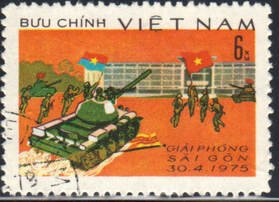
Viet Cong meet Viet Minh Viet Cong crash Palace gates
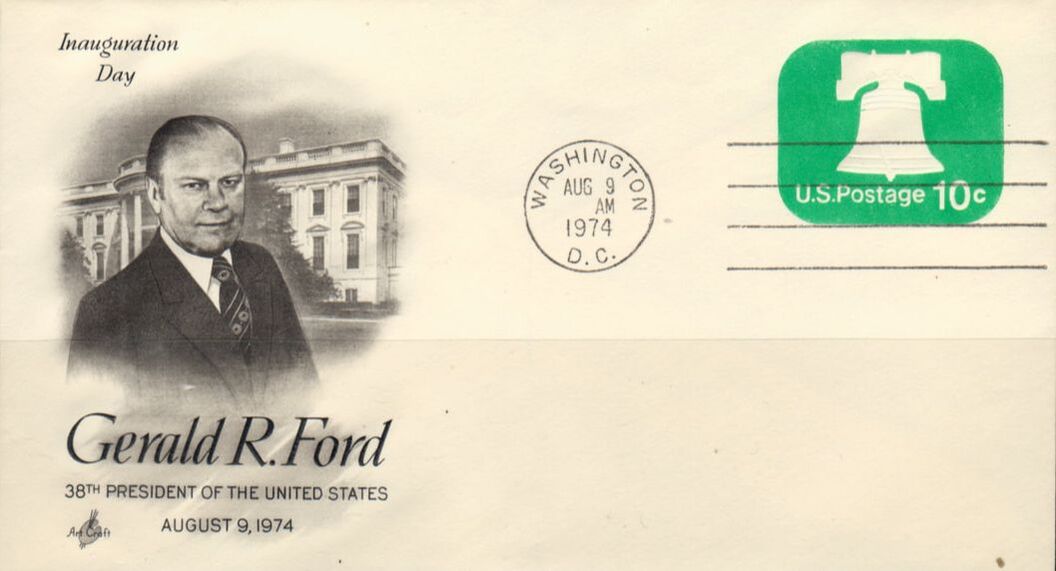
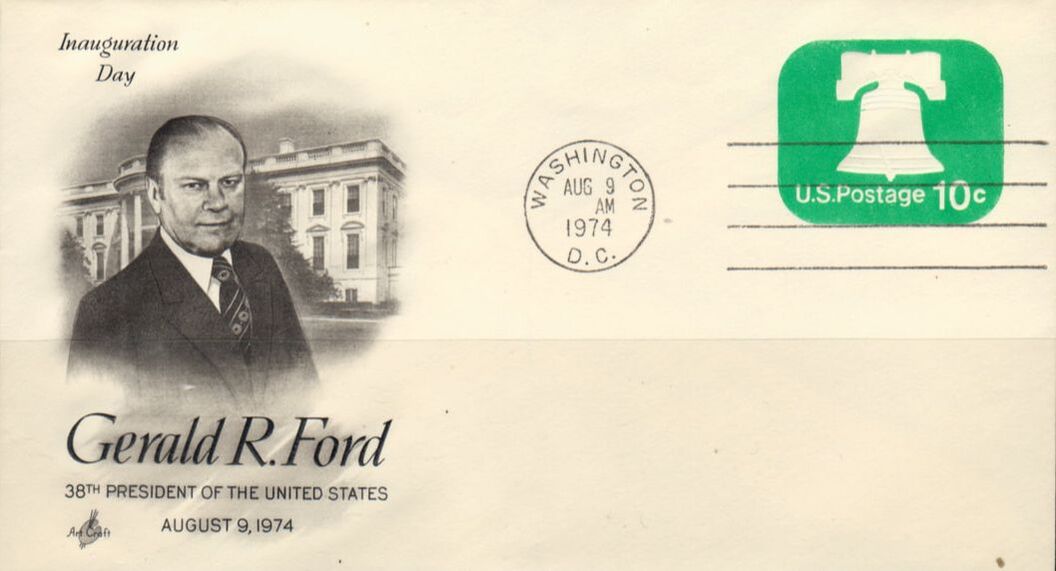
Gerald Ford assumed office as the 38th President of the United States on August 9, 1974, following the resignation of President Richard Nixon. When he took office, the Vietnam War was still ongoing. President Ford's background did not prepare him to solve the challenging task of managing America's involvement in the conflict, Inflation, Political Opposition, Poor Media Perception of himself.
Rather than meet any of these challenges, President Ford did nothing except to pardon Richard Nixon.
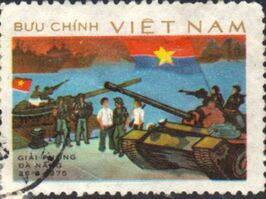
The South Vietnam Palace, also known as the Presidential Palace, was invaded by the Viet Cong on April 30, 1975. This event marked the end of the Vietnam War and the fall of Saigon, the capital of South Vietnam. The invading forces captured the palace, leading to the unconditional surrender of South Vietnam and the reunification of Vietnam under communist rule.
Rather than meet any of these challenges, President Ford did nothing except to pardon Richard Nixon.
The South Vietnam Palace, also known as the Presidential Palace, was invaded by the Viet Cong on April 30, 1975. This event marked the end of the Vietnam War and the fall of Saigon, the capital of South Vietnam. The invading forces captured the palace, leading to the unconditional surrender of South Vietnam and the reunification of Vietnam under communist rule.
Pag xx
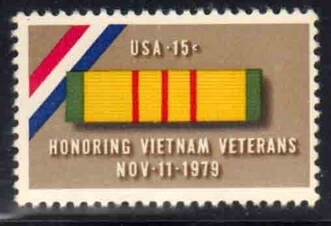
In April 1975 in a speech at Tulane University President Ford said “the
Vietnam war is finished so long as America is concerned.” But there were still American troupes in Vietnam and the promised evacuation of Vietnamese who had worked with the US was about to fail. America had yet to acknowledge that for the first time in our history, the United States had lost a war. And not for the last time, we had failed to protect those who stood beside us in the fight.
Vietnam war is finished so long as America is concerned.” But there were still American troupes in Vietnam and the promised evacuation of Vietnamese who had worked with the US was about to fail. America had yet to acknowledge that for the first time in our history, the United States had lost a war. And not for the last time, we had failed to protect those who stood beside us in the fight.
Please Answer the following questions below:
Question 1
Why did Richard Nixon attempt to extend the Vietnam War during his 1968 presidential campaign?
A - As a strategy to secure the presidency,
B - To end the war for South Vietnam
C - To protect the nearby countries from the communists.
Why did Richard Nixon attempt to extend the Vietnam War during his 1968 presidential campaign?
A - As a strategy to secure the presidency,
B - To end the war for South Vietnam
C - To protect the nearby countries from the communists.
Question 2
What was the primary objective of Operation Rolling Thunder?
A - Test new models of jet fighters
B - Target strategic locations in North Vietnam
C - Test the effectiveness of the use of Napalm
What was the primary objective of Operation Rolling Thunder?
A - Test new models of jet fighters
B - Target strategic locations in North Vietnam
C - Test the effectiveness of the use of Napalm
Question 3
How did the Tet Offensive impact the perception of the war among citizens in America?
A - Increased the support for South Vietnam's government.
B - Increased support for the North Vietnam's Government
C - Decreased support for the Vietnam War
How did the Tet Offensive impact the perception of the war among citizens in America?
A - Increased the support for South Vietnam's government.
B - Increased support for the North Vietnam's Government
C - Decreased support for the Vietnam War
Question 4
After the Battle of Hue ,what was the perception of the war by the American public?
A - Increased
B - Increased
C - Decreased the confidence of the American public in the claims of progress in the war
After the Battle of Hue ,what was the perception of the war by the American public?
A - Increased
B - Increased
C - Decreased the confidence of the American public in the claims of progress in the war
Question 5
What were the strategic reasons that made Con Thien Battle an important location?
A - Location close to American supply lines
B - Importance due to its proximity to the DMZ.
C - Location close to Viet Cong supply lines
What were the strategic reasons that made Con Thien Battle an important location?
A - Location close to American supply lines
B - Importance due to its proximity to the DMZ.
C - Location close to Viet Cong supply lines
Question 6
What was the outcome of the Battle of Khe Sanh ??
A - No victory for either side.
B - A victory for the North Vietnamese Army
C - A victory for the United States military.
What was the outcome of the Battle of Khe Sanh ??
A - No victory for either side.
B - A victory for the North Vietnamese Army
C - A victory for the United States military.